






Project Name: Precision Injection Molding Solution for Microfluidic IVD Chips for Cardiac, Myocardial Infarction, and Inflammation Testing
Customer Type: In Vitro Diagnostic (IVD) Reagent Supplier
Applications: Rapid diagnostic testing for cardiac conditions, myocardial infarction, inflammation, and related conditions in emergency departments and primary healthcare settings.
 I. Customer Requirements Analysis
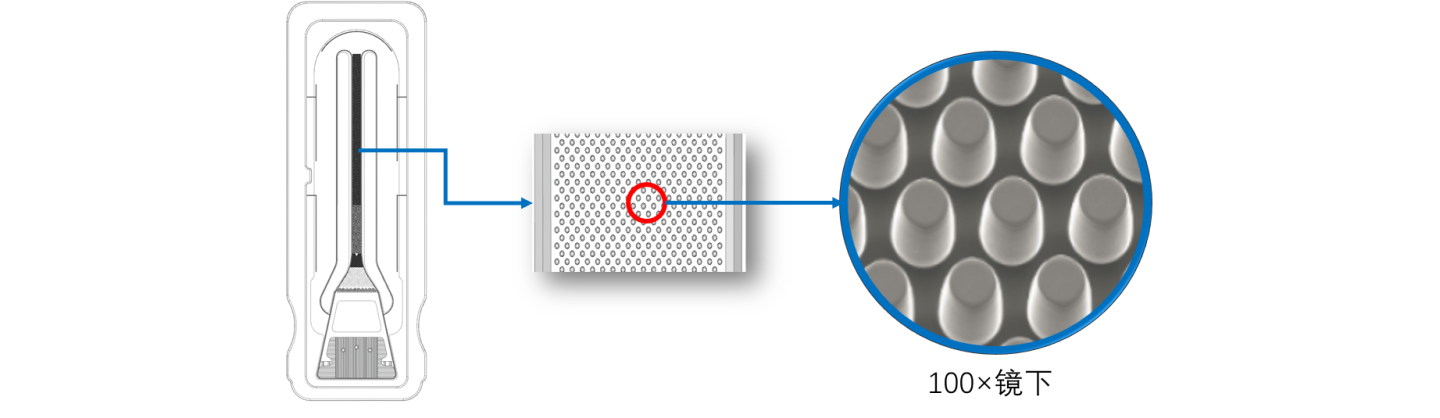
In 2017, an IVD customer specializing in rapid testing for myocardial infarction and inflammation sought a manufacturing partner. The key challenge was the lack of an end-to-end solution covering precision chip processing, biofunctionalization, bonding, and batch validation. Leveraging its experience in microfluidic CDMO services, Senjun worked closely with the customer to jointly develop a capillary-driven microfluidic chip. The product integrates multiple micron-scale precision structures, including a sample loading area, labeling reaction zone, timing control valve, and high-density micropillar detection area. It also incorporates biofunctionalization and bonding processes, requiring stringent control over microchannel processing accuracy, chip flatness, bio-probe coating stability, and bonding consistency. As a high-end precision IVD platform with significant technical barriers, its main requirements and challenges were as follows:
Challenge 1 (Dimensional Accuracy): The microchannel base surface incorporates more than 10,000 micropillars, each measuring 60μm in diameter and 15μm in height; the microfluidic chip reaction platform requires the channel height to be maintained within the range of 40μm-60μm.
Challenge 2 (Flatness): The microchannels require extremely high flatness, which must be controlled within 0.05mm.
Challenge 3 (Surface Modification and Bonding Consistency): The product must meet biological assay loading and reaction requirements, while maintaining consistent bonding with no liquid leakage.
 II. Technical Challenge Analysis
The above requirements involve micron-level precision injection molding, presenting extremely high technical barriers:
| Requirement | Technical Requirement | Industry Challenge |
| Micropillar Structure |
Diameter 60μm
Height 15μm |
Conventional injection molding makes it difficult to consistently control dimensional accuracy at the sub-100μm level, while fluctuations in molding parameters and batch-to-batch variations can easily cause dimensions to fall outside tolerance |
| Channel Height | 40±50μm | Precision control of the energy director and fluctuations in ultrasonic welding equipment can result in significant variations in welding distance |
| Channel Flatness | Flatness≤0.05mm | Adhesion during demolding can easily cause tensile deformation or even breakage of the microstructures |
| Immobilization Efficiency and Inter-Chip Uniformity | Immobilization Efficiency>90% Inter-Chip CV<3%-5% | Ultra-low-cost mass production must be achieved through scaled manufacturing and process optimization |
III. Intelligent Manufacturing Solution
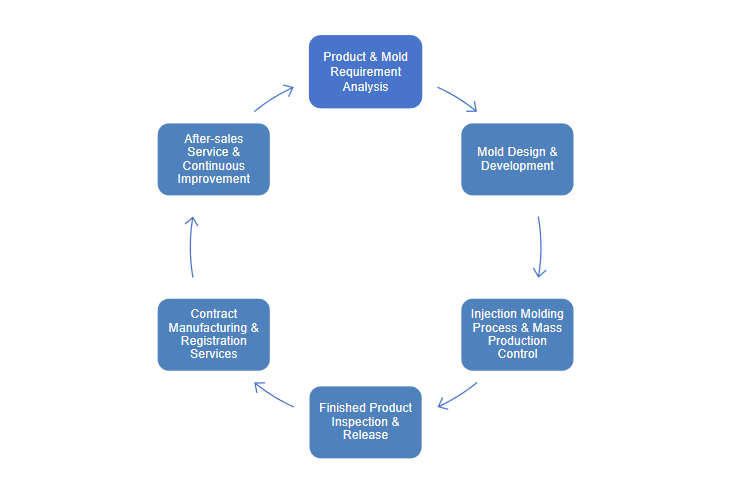
3.1 Mold Design Solution
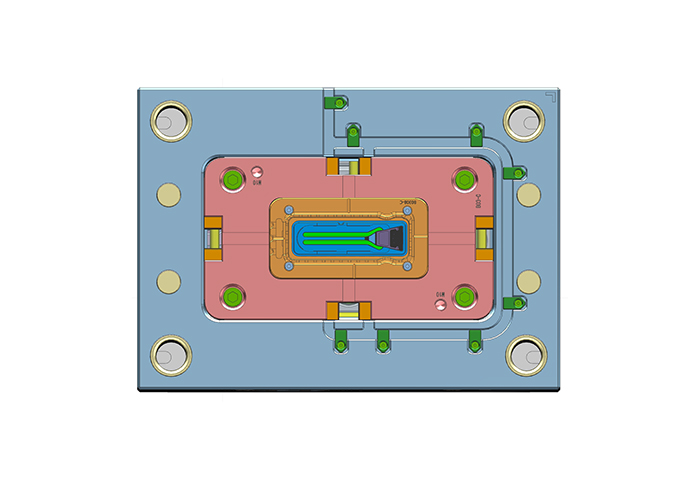
To meet the injection molding requirements for chip packaging, a multi-cavity mold structure is adopted to increase output per mold and reduce unit cost; a hot runner system is used to prevent the fountain flow effect from damaging the chip surface while reducing material waste; conformal cooling channels are designed to achieve uniform mold temperature distribution and effectively control warpage; and side gates are used to ensure uniform filling of microchannels. High-hardness stainless steel is selected as the mold material to significantly improve chip dimensional accuracy while providing excellent demolding performance, preventing scratches or deformation during demolding.
3.2 Mold Machining and Manufacturing Solution
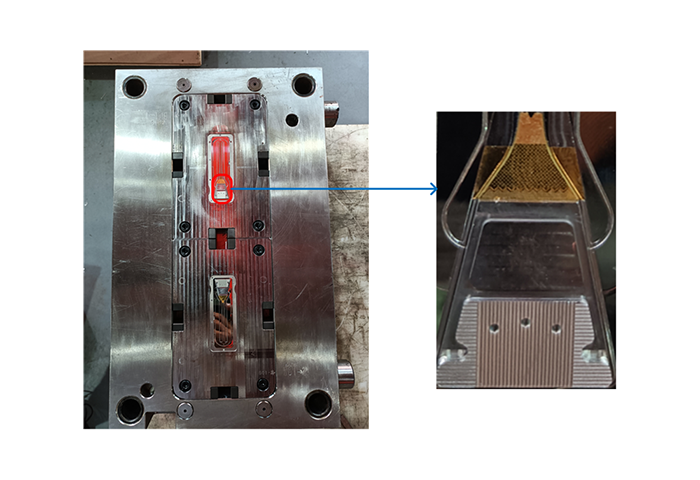
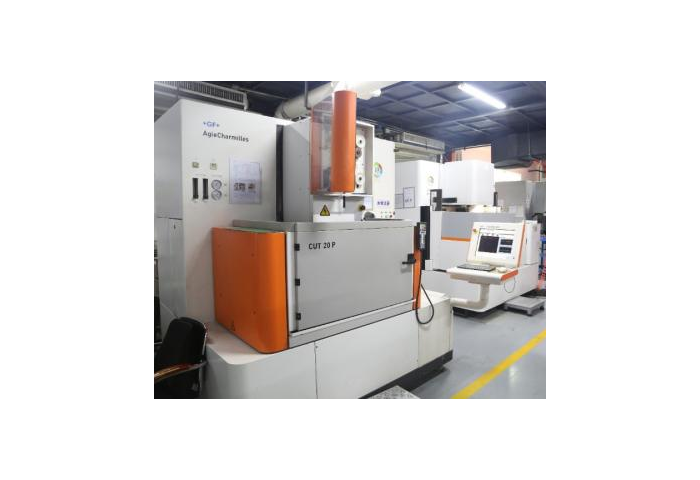
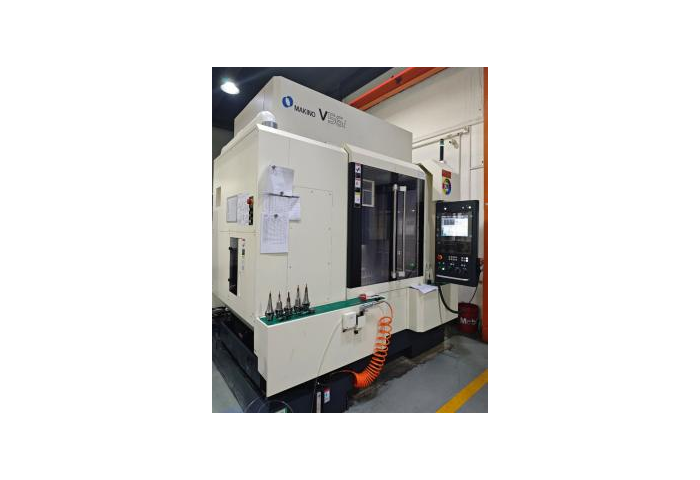
Mold core machining defines the dimensional accuracy and flatness of microfluidic chip channels. By adopting four core processes: precision grinding, UVM ultra-precision cutting, ultrasonic vibration-assisted milling & grinding and water jet polishing, we achieve microstructure accuracy of ±3 μm, capillary channel surface roughness Ra 0.025 μm, and finished channel flatness ≤0.05 mm.
3.3 Injection Molding Process Solution
(1)Material and Molding Equipment Selection
Based on the application requirements of the product, customized medical-grade raw materials are used to reduce background fluorescence on the chip surface and post-molding shrinkage.
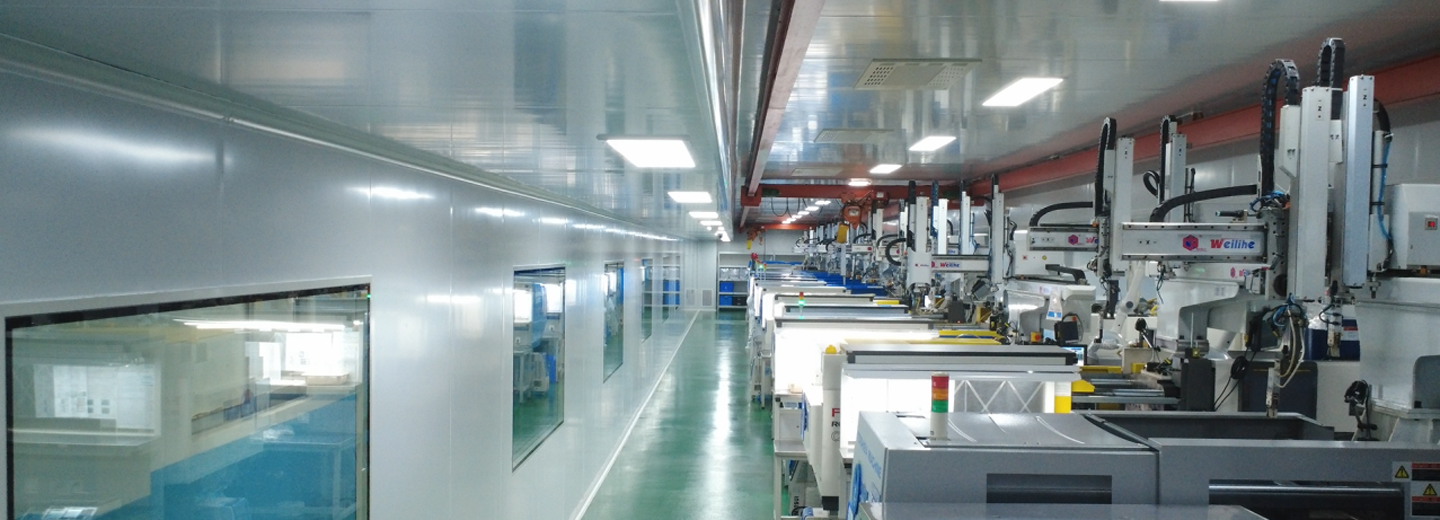
In addition, to meet both mold precision and clean production requirements, a fully electric micro precision injection molding machine dedicated to medical applications is recommended. Its high-rigidity structure controls platen deformation to<0.03mm, while linear guide rails achieve 0.01mm straight-line positioning accuracy. Combined with intelligent direct control featuring an ultra-fast response time of 0.125ms, it ensures exceptional motion precision; meanwhile, the fully electric drive eliminates hydraulic oil contamination and meets the requirements of medical-grade production environments.
(2)Micro-Injection Molding Process Parameter Optimization
Moldflow analysis software is used to systematically simulate the injection filling process, combined with orthogonal experiments to optimize key process parameters. Based on the research results, suitable process parameters are recommended to the customer to ensure the complex precision requirements of the microchannel structures, consistent microchannel replication across mass-produced products, and consistent microchannel replication accuracy within each individual chip.
3.4 Quality Control Solution
(1)In-Line Inspection System
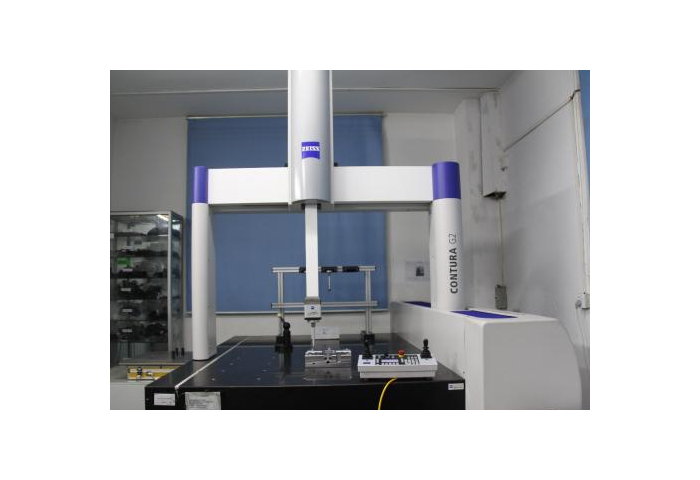
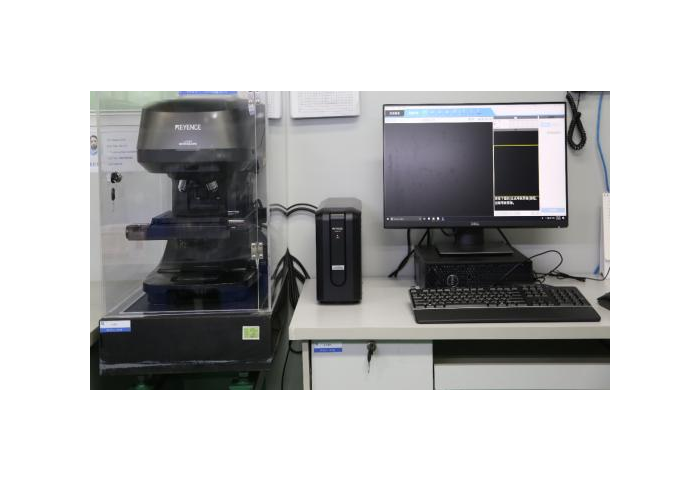
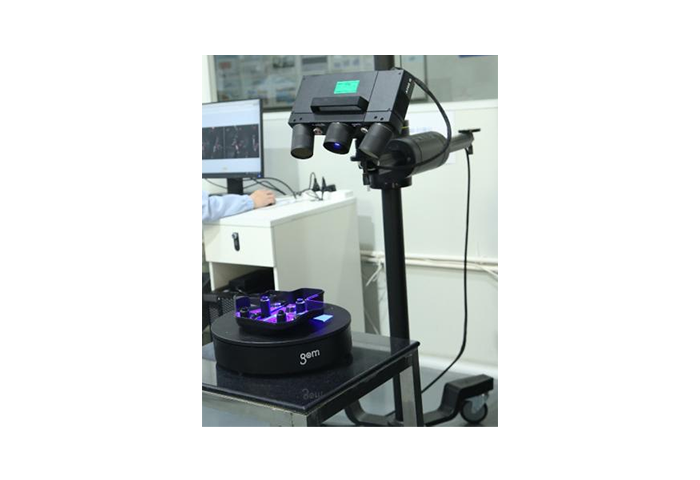
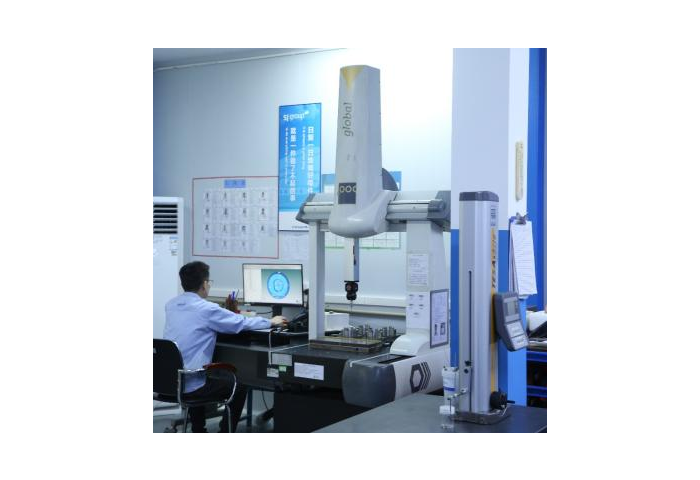
Laser interferometers and non-contact profile scanners are used to precisely measure the overall external surfaces and three-dimensional morphology of the internal channels of first articles and sampled parts; micropillar heights of 40-60μm are verified for compliance, while fluctuations in critical dimensional parameters are monitored in real time.
(2)Dimensional Verification
Channel Height: Measured using a laser confocal microscope or white-light interferometer to verify the 40-60μm range.
Flatness: A surface profilometer is used to measure the inclination of the channel bottom surface and verify the≤0.05mm requirement.
Dimensional accuracy tolerance is controlled within±0.01mm.
(3)Functional Validation
During the chip post-processing stage, multiple welding equipment and processes were evaluated to determine the appropriate welding equipment and parameters, ultimately maintaining the hydrophilic contact angle of the chip surface at an ideal 45-50°.
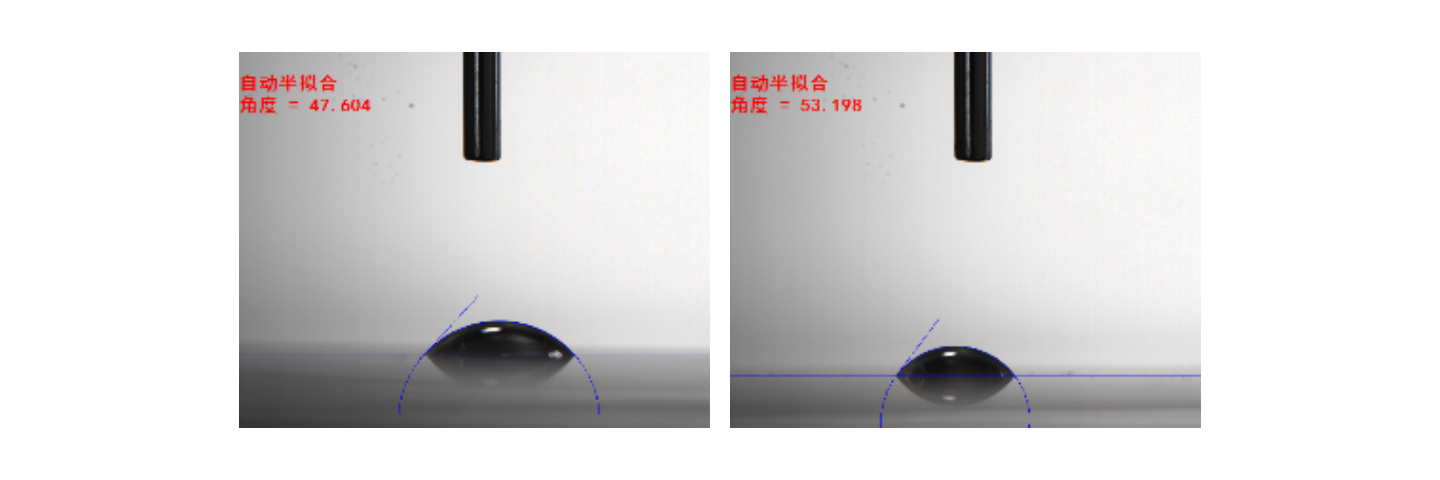
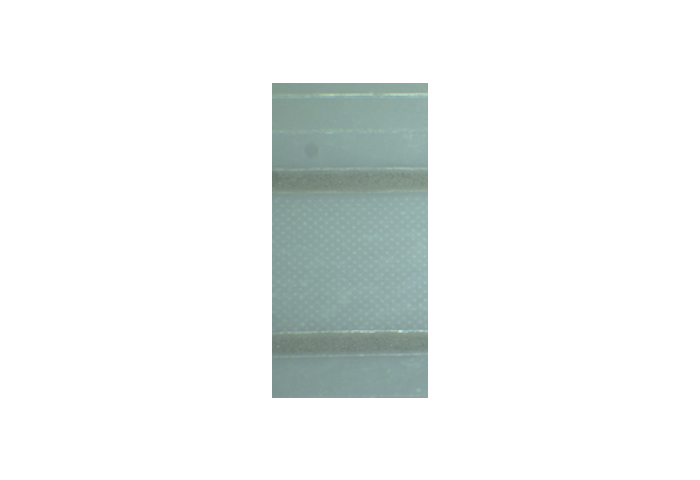
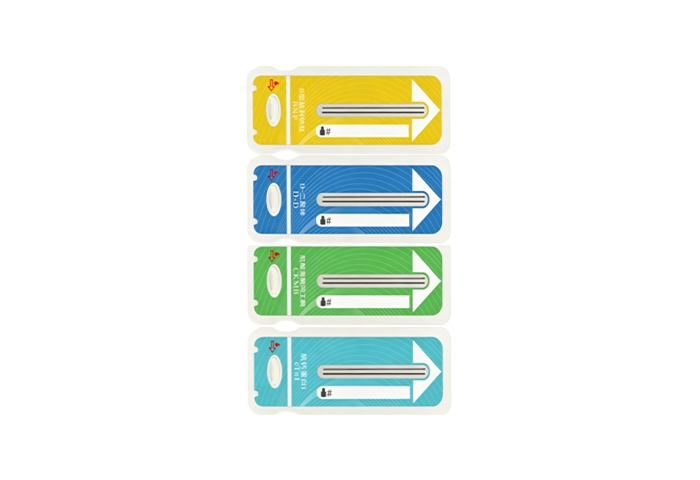
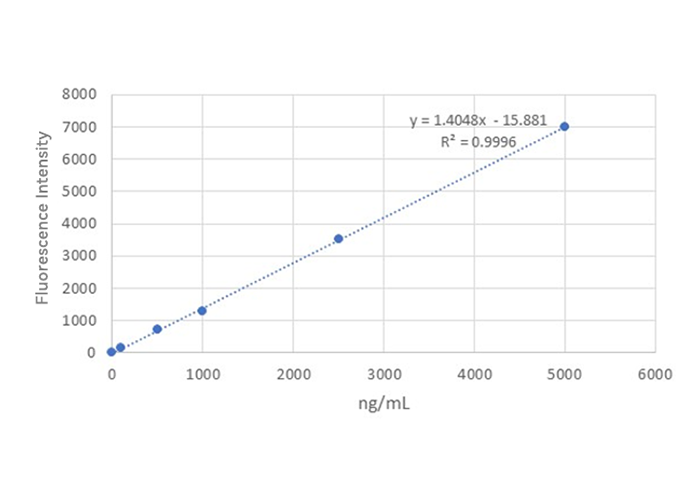
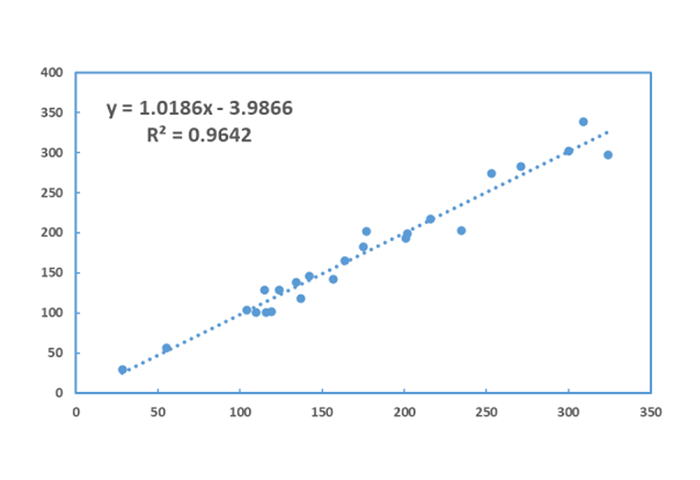
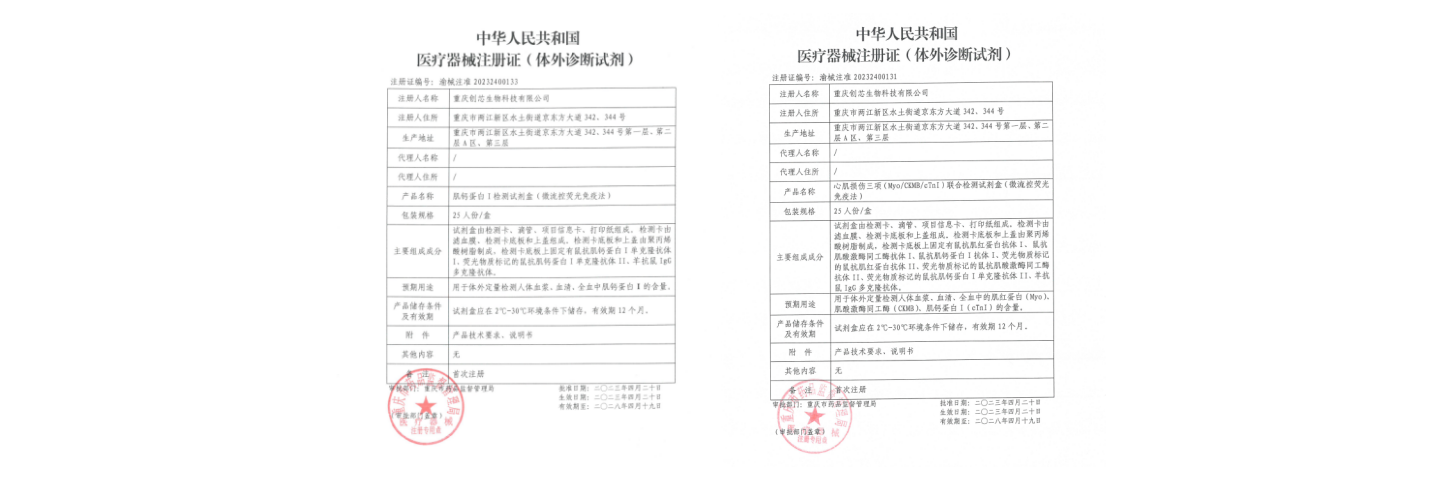
Resolving these non-biological experimental issues enabled the customer to proceed smoothly with subsequent immunological experiments and verify that the microfluidic chip could meet the customer's testing performance requirements for medical device products, accelerating product certification and market launch.
 IV. Customer Value
From the initial engagement with the customer through final product performance validation and confirmation, Senjun remained focused on customer requirements and actively participated throughout the R&D process, providing timely solutions to ensure product performance stability and consistency. Through timely communication with type-testing institutions and pharmaceutical inspection authorities, the customer obtained product certification more than two months ahead of the original schedule.